

.Jean-Paul Gaultier’s Perfume Empire: Audacious, Addictive, and Iconic Jean-Paul Gaultier’s perfumes are a direct translation of his boundary-pushing fashion philosophy, since launching his first fragrance, Classique, in 1993, Gaultier has established a fragrance empire. Indeed, this empire stands defined by its instantly recognizable, shock-factor packaging. Moreover, it delivers intensely addictive, powerful scents that captivate wearers worldwide.
Jean-Paul Gaultier
The brand’s olfactory signature often delivers powerful, enveloping, and addictive scents. It frequently magnifies notes to create an almost overwhelming sensory experience.
The debut Classique for women captivates as a voluptuous Oriental Floral. It builds around a bouquet of orange blossom, ginger, and creamy vanilla. Designers drew inspiration from childhood memories for this scent.
Its masculine counterpart, Le Male, arrived in 1995. It breaks ground as an aromatic fougère. It boldly combines lavender, mint, and a warm vanilla base. The designer’s iconic sailor-striped bottle wraps it all.
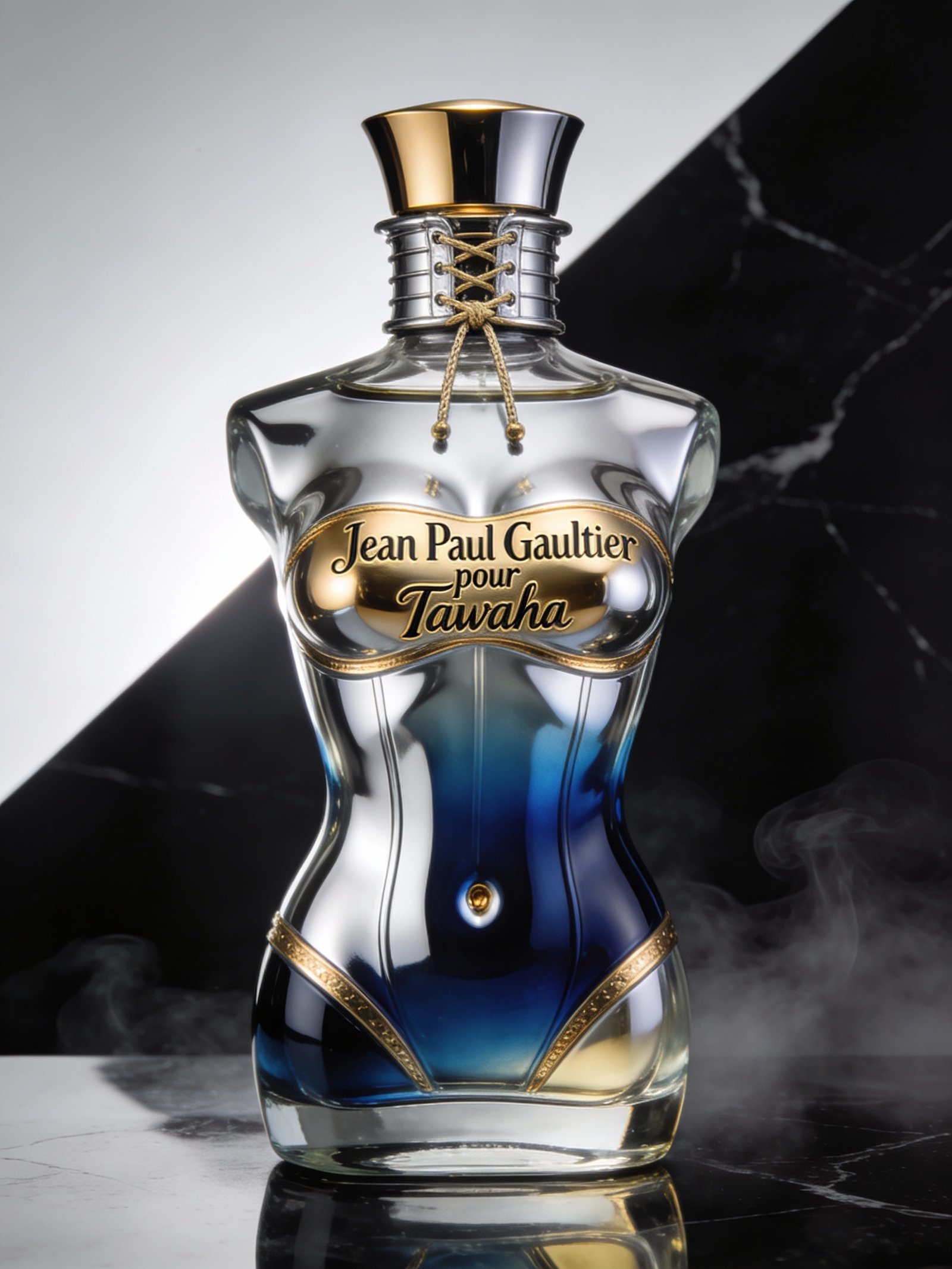
Gaultier’s commitment to provocation and humor is most evident in the revolutionary bottle designs, which are miniature, high-fashion sculptures. The feminine line, including Classique and the honey-drenched Scandal, is housed in sensual, often corset-clad female torsos, while the masculine fragrances feature sculpted male torsos. These striking, body-positive flacons—frequently encased in industrial tin cans—challenge traditional luxury aesthetics.
The newer lines, like the tropical, woody Le Beau and La Belle duo, continue this tradition, offering gourmand-laced, intensely sensual compositions. Ultimately, a Jean-Paul Gaultier perfume is more than a scent; it is a wearable statement—a defiant celebration of freedom, diversity, and unapologetic sensuality.
The feminine line, including Classique and the honey-drenched Scandal, is housed in sensual, often corset-clad female torsos, while the masculine fragrances feature sculpted male torsos. These striking, body-positive flacons—frequently encased in industrial tin cans—challenge traditional luxury
Reviews
There are no reviews yet.